


Payday Advance Borrow Money
4.7198.00 Reviews
App Specs
- Version
- 1.2.1
- Updated On
- License
- Free
- Downloads
- 100,000+
- Developer
- Shpuryk Sergii
- Categories
- Finance
- Platform
- Android
Screenshots
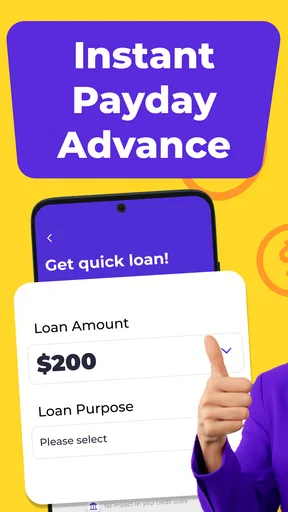
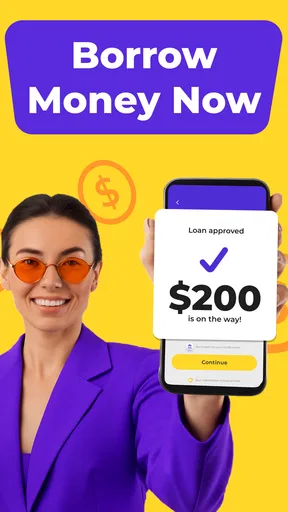
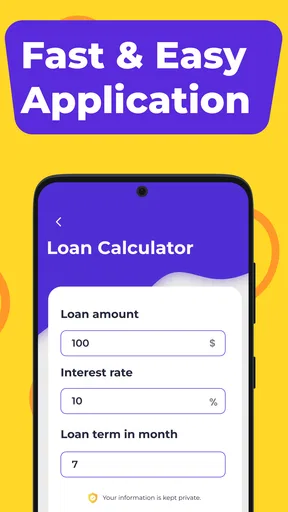
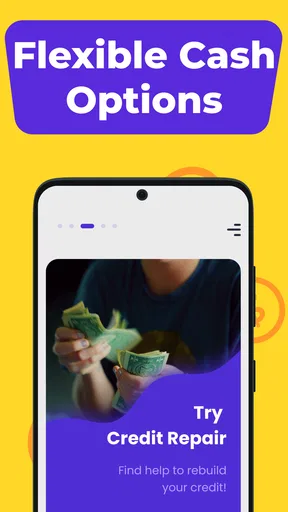

 Analysis by AppCompare
When an unexpected bill arrives before payday, the temptation is to look for the fastest possible answer. Payday Advance Borrow Money is a finance app built around that exact moment: helping you look for a suitable payday cash advance from a phone. I approached it less like a promise of easy money and more like a tool that needs careful handling, because borrowing decisions deserve the same attention as the amount you hope to receive.
The app is free to install, has an Everyone content rating, and comes from developer Shpuryk Sergii. Its store presence shows a 4.7 average from around 3.2 thousand ratings, with more than 100 thousand installs. Those figures suggest that many people have at least tried the service, but they should not be mistaken for proof that every applicant will receive an offer or that borrowing will be affordable in every situation.
My overall impression is that this is best treated as a starting point for comparing a short-term borrowing possibility, not as a replacement for budgeting or a guarantee of instant cash. The central question is not simply whether the app is convenient. It is whether you can understand the offer, control what you share, and repay without turning a temporary gap into a longer financial problem.
How the app fits into a real borrowing decision
I use this section to frame the app as one step in a borrowing decision, rather than the decision itself. Before comparing any advance, I find it helpful to set a firm repayment ceiling and decide what information I am comfortable sharing; those boundaries make it easier to pause when an option does not fit. That leads naturally to the practical checks I would make before moving forward.
A focused tool for urgent cash searches
The app’s purpose is narrower than that of a general banking application. You are not opening it to monitor everyday spending, build a long-term investment plan, or manage a full household budget. Its role is to help you explore a payday advance when timing matters. That focus can be useful if you already know the amount you need and want to review a borrowing route without searching through unrelated financial features.
A realistic example would be a household facing a necessary repair near the end of the pay cycle. I would first write down the exact shortfall, the date when income is expected, and the maximum repayment I could handle. Only then would I use this app to investigate an advance. That order matters: opening a loan tool before defining the repayment limit can make the available amount feel like a budget, even when it is actually a new obligation.
The phrase “instant cash advance” may sound reassuring, but I would read it as a description of the type of service rather than a personal outcome. The speed of an application, a decision, or a transfer can depend on circumstances outside the app itself. I would never make a same-day payment commitment based only on the expectation that money will arrive immediately.
Worth Reading Before You Choose

EA SPORTS FC Mobile 26 Is a Bigger Football Game, but It Takes Time

Flipboard Shows What News Apps Must Do Beyond the Feed

Switching to Android Auto Means Rethinking Your Driving Routine

Google Calendar Makes a Crowded Week Easier to Manage

Ludo King Makes the Most of the Minutes Between Plans

Baby Panda World Brings Quick Play to Modern Phones, but Its Game Library Feels Busy
What the developer and app history tell me
Payday Advance Borrow Money was released on November 28, 2022, and the current version is 1.2.1. It supports Android 5.0 and newer, which makes it accessible on many older devices. That broad compatibility is convenient for someone using an inexpensive or aging phone, although I would still keep the operating system updated where possible because financial tasks deserve a well-maintained device.
The developer is listed as Shpuryk Sergii. I see the rating and install activity as useful context, not as a substitute for reading the actual terms shown during the borrowing process. A popular app can still present an unsuitable offer to a particular person, while a less familiar tool can sometimes be the better choice if it gives clearer costs and stronger account controls.
Because this is a finance app, trust should come from visible choices rather than from a polished interface or reassuring language. Before entering sensitive information, I would check what the app asks for, why each item appears necessary, and whether I can leave a step without submitting an application. If a screen makes a decision feel rushed, that is a reason to pause rather than a reason to continue.
Controls I would look for before sharing information
My first practical test is whether I can understand the journey before committing to it. I want to know which screen is informational, which screen starts an application, and which action sends personal details to another party. A clear distinction between browsing and submitting gives users room to compare alternatives instead of accidentally beginning a process they did not intend to start.
I would also pay attention to the device permissions requested by the app. Permissions are not automatically suspicious, but a finance tool should make their purpose understandable. If a request appears unrelated to finding or managing an advance, I would decline it or stop until I understood the reason. I would not grant broad access simply because the app presents the request during setup.
The same caution applies to notifications. Reminders can be useful, especially when a repayment date is easy to forget, but I prefer to decide whether notifications are enabled rather than accepting every alert by default. I would review Android’s permission manager after installation and revisit it if I stop using the app. This is a small step, yet it keeps the user—not the application—in charge of ongoing access.
Account controls deserve similar attention. I would look for a way to sign out, review submitted details, and understand what happens if I change my mind. If the app leads to an external lender or another service, I would treat that handoff as a separate trust decision and read the receiving service’s terms independently. The app’s convenience should not blur the difference between discovering an option and accepting a loan.
Data-sensitive moments that deserve a pause
The riskiest part of using a payday advance app is usually not the first tap. It is the moment when personal, employment, income, or banking information may be requested. I would prepare the information beforehand, enter only what is required for the specific step, and avoid uploading extra documents merely to make the process feel faster.
I would also avoid using public Wi-Fi for an application. A private connection, a screen lock, and a current device update are simple precautions that reduce avoidable exposure. I would not save sensitive details in screenshots, notes, or copied messages, and I would close the app when finished rather than leaving an application screen visible.
Another overlooked moment is the confirmation page. Before accepting anything, I would capture the important terms for my own records without storing unnecessary personal data: the amount, repayment date, total repayment, and any stated charges. If those details are not easy to identify, I would not proceed. A fast application is not valuable if the cost is difficult to verify.
I would be especially careful with contacts, messages, photos, and location access. Those categories can reveal information about people who never agreed to participate in a borrowing decision. Unless a permission has a clear, understandable purpose and can be refused without blocking basic use, I would choose not to provide it. The ability to say no is an important part of evaluating a finance app.
Keeping control over the borrowing choice
The strongest workflow is one where I decide the repayment plan before I compare offers. I would calculate the money left after rent, food, utilities, transport, and existing obligations. Then I would test the proposed repayment against that amount. If the payment would require another advance, a missed essential bill, or reliance on uncertain income, I would consider the app the wrong option for that situation.
I would compare the total amount repaid rather than focusing only on the amount received. A smaller advance can still be expensive if its charges consume the money needed for essentials. I would also check whether the repayment date matches my actual income date, allowing for weekends, holidays, and possible delays. A mismatch can create avoidable overdraft or late-payment pressure.
One useful habit is to separate eligibility from affordability. An app may help you find an offer, but approval does not mean the offer fits your life. I would treat every result as something to inspect, not as a recommendation. If the terms are unclear, if the repayment window is too short, or if the consequences of missing a payment are not plainly explained, I would stop and seek a clearer alternative.
I would also set a personal stopping rule before opening the app. For example, I might decide that I will not submit an application after a specified time at night, while stressed, or without someone I trust reviewing the total cost. This sounds cautious, but urgent borrowing often happens when attention is weakest. A rule made in advance protects me from making a decision simply because the application is easy to complete.
Where it beats usual alternatives—and where it does not
Compared with searching the web manually, a dedicated app can feel more direct. It puts the cash-advance task in one place and may be easier to revisit than a collection of browser tabs. That is its clearest practical advantage for me: less searching when I already understand the kind of financial product I am considering.
Compared with a bank overdraft, credit-union loan, salary advance arranged through an employer, or help from a trusted person, a payday advance may be less suitable even when it is faster. Those alternatives can have different costs, repayment schedules, eligibility rules, and consequences. I would compare the total obligation and flexibility, not just the speed of receiving funds.
A budgeting app is also a better choice when the real problem is recurring cash-flow pressure. Budgeting tools can help identify subscriptions, due dates, and spending patterns; this app is aimed at finding a short-term advance. If I needed to solve the same shortfall every month, I would use a budget review and speak with a financial counselor or creditor before repeatedly borrowing.
On the other hand, if the need is genuinely one-off and I have a firm repayment plan, this app may be a convenient place to begin a cautious comparison. The benefit comes from disciplined use, not from treating the app as emergency income. I would still check the lender or provider behind any offer and make sure the final agreement is understood outside the app’s promotional framing.
Small habits that make the experience safer
I would begin by reading the app’s screens slowly and refusing optional access until I know why it is useful. I would then write down the requested amount and my repayment ceiling before looking at available choices. This prevents the interface from influencing the amount I borrow.
Next, I would verify every important number on the final review screen. I would look for the total repayment, due date, fees, and what happens if payment is late. If the wording uses unfamiliar financial terms, I would search for their meaning independently rather than guessing. A few minutes of checking can be more valuable than a few minutes saved during application.
Afterward, I would remove permissions that no longer serve a purpose, sign out where appropriate, and keep a private record of the agreement. I would set my own calendar reminder instead of relying only on app notifications. This is particularly useful if I uninstall the app, change phones, or disable alerts later.
Finally, I would not install modified versions, share login codes, or send sensitive information to someone claiming to represent the service through an unexpected message. The safest experience is the one completed through the official app environment and verified channels, with no pressure to bypass normal account controls.
Who should use it and who should skip it
I can see the app working for an adult who understands payday advances, needs to investigate a short-term option, and is willing to read every term before submitting information. Its Everyone rating describes store accessibility, not financial suitability; the product is still a borrowing tool, so I would use it only when I can repay without sacrificing essentials.
I would skip it if I am already behind on bills, borrowing to cover another loan, unsure when income will arrive, or tempted by the largest amount displayed. I would also avoid it if I cannot clearly identify the provider, total repayment, or account controls. In those situations, a bank, credit union, employer assistance program, creditor payment arrangement, or nonprofit advice service may be a safer direction.
People who mainly want spending insights should choose a budgeting application instead. Users who need a long-term credit-building strategy should compare products designed for that goal rather than relying on a payday advance. The app is most defensible as a narrow, carefully checked search tool—not as a general solution to financial instability.
My cautious verdict
Payday Advance Borrow Money is easy to understand at a high level: it is a free finance app for people exploring a payday cash advance, developed by Shpuryk Sergii and available on older Android devices as well as newer ones. Its strong store rating and sizeable user base make it worth examining, but they do not remove the need to inspect permissions, data requests, account choices, and loan terms personally.
I would recommend it only with a clear boundary: use it to investigate, compare, and verify—not to decide under pressure. The most important feature, in my view, is not the promise of speed but the control you keep while using it. If the app helps you understand an affordable, one-time option, it may be useful. If it encourages you to borrow more than your repayment plan supports, close it and consider a slower alternative.
My final advice to a friend would be simple: calculate first, share the minimum information necessary, confirm the complete cost, and keep your own repayment reminders. Used that way, the app can serve a limited practical purpose. Without those safeguards, the convenience of an instant-cash search can easily become the least convenient part of the month.
Pros
- Fast access to short-term cash in urgent situations.
- Simple application process with minimal paperwork.
- Useful repayment reminders help avoid missed due dates.
- May support users with limited traditional credit history.
- Loan details are usually displayed before accepting an offer.
Cons
- Interest and fees can make borrowing expensive.
- Short repayment periods may strain your next paycheck.
- Approval and loan terms may vary by location and eligibility.
- Late payments could lead to extra charges or collection activity.
- Availability may depend on employment and banking information.
FAQs for Payday Advance Borrow Money
What is Payday Advance Borrow Money?
Payday Advance Borrow Money is a financial application designed to help eligible users request short-term cash advances through a mobile device. After creating an account and providing the required personal and financial information, users may see available borrowing options, estimated fees, repayment dates, and application requirements. Availability, approval, and loan terms can vary depending on location, income, credit profile, and the lending partners connected with the service.
How does the borrowing process work?
After downloading the app, you generally need to register, verify your identity, connect or provide information about your income, and submit a request for the amount you need. The application may display an offer before you accept it, including the total repayment amount, fees, and due date. Read every screen carefully, because submitting a request does not necessarily guarantee approval or immediate funding.
How much does Payday Advance Borrow Money cost?
The cost depends on the offer presented to you and may include service charges, interest, subscription fees, origination fees, or other lender-related costs. A payday advance can be significantly more expensive than a traditional personal loan, especially if repayment is delayed. Before accepting anything, review the annual percentage rate when provided, the exact amount you will repay, and any consequences associated with late or failed payments.
Is Payday Advance Borrow Money safe and legitimate to use?
Users should treat any cash advance application as a financial service and verify its terms before sharing sensitive information. Download the app only from an official store, check the developer details, read recent user reviews, and review its privacy policy and permissions. Never provide banking credentials or identification documents through suspicious links. Also confirm whether the service and its lending partners are authorized to operate in your region.
What should I know about repayment and eligibility?
Eligibility may depend on your age, residence, employment or recurring income, bank account, identity verification, and other criteria established by the app or its lending partners. Repayment is commonly scheduled for a specific date and may be collected automatically from a linked account. Make sure sufficient funds are available and understand late-payment fees, collection practices, renewal options, and whether borrowing could affect your financial situation or credit history.


